 Recruit
Can You Sell Your Videos to AI Companies? What Actually Pays
Old footage on your phone is worth almost nothing to a lab. Footage filmed to a brief is worth an hourly rate. Why that is, and how the commissioned route works.
Old footage on your phone is worth almost nothing to a lab. Footage filmed to a brief is worth an hourly rate. Why that is, and how the commissioned route works.
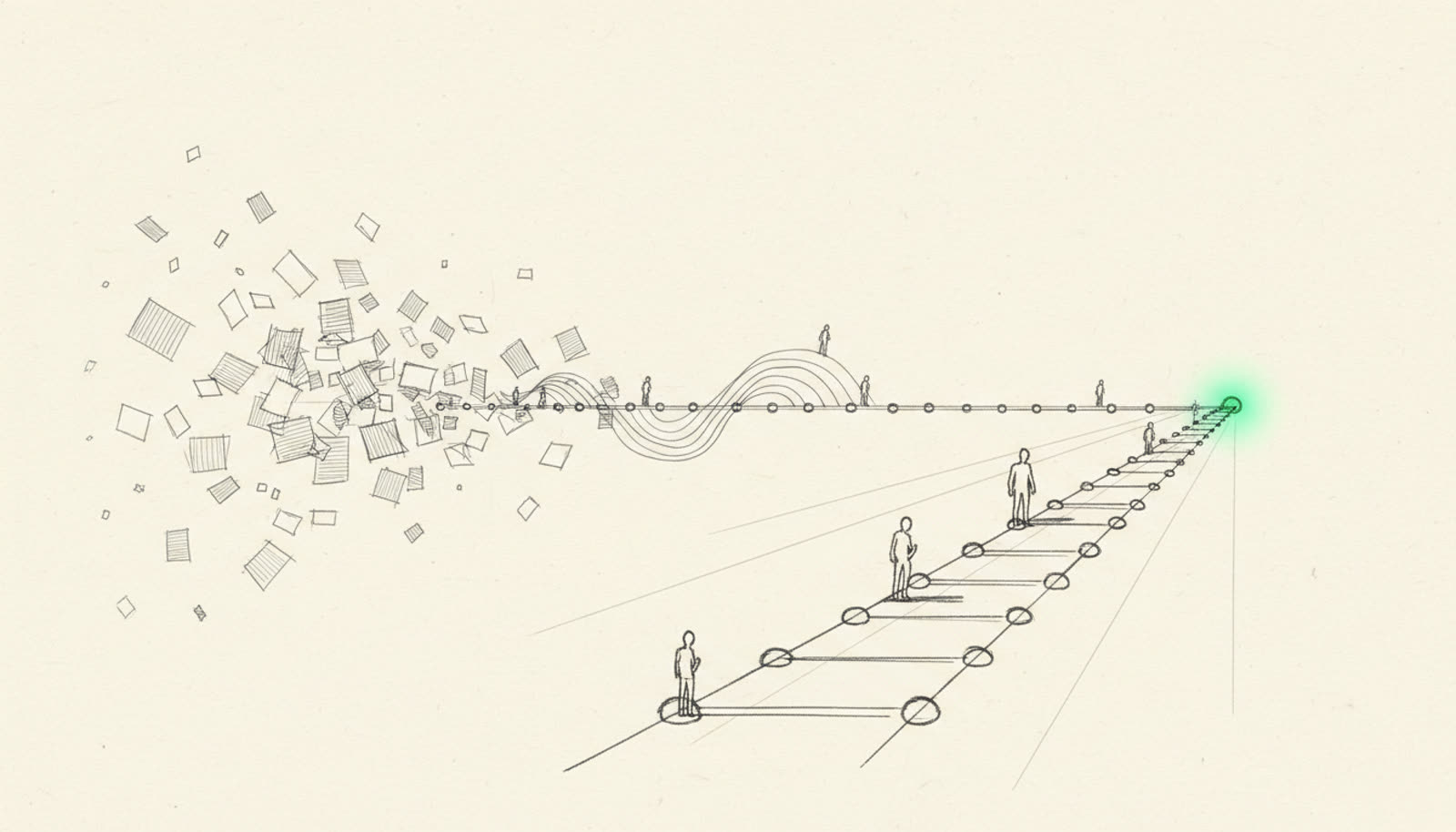
Labs pay for footage recorded against a specific brief, with documented consent from everyone in frame, not for clips already sitting in your camera roll. Archive footage almost never qualifies for a license. Footage filmed to a brief, on a commissioned program, carries an hourly rate, typically $6 to $15+ depending on the task.
Nobody buys your video outright, the way you might sell a used phone. What happens is a license: you record footage against a brief, it is reviewed against that brief, and once approved you are paid and the lab gets the right to use it for training. Recruitmint's AI Trainers program states this directly: footage is licensed to the lab for training their models, never posted publicly.
A license needs two things an archive clip cannot supply. First, labs need to know exactly where footage came from and that everyone in frame agreed to be filmed for this specific purpose. Second, a brief-matched license fills an actual gap in a training set: a defined task, shot a defined way, for a defined length. Old footage was never filmed against any brief, so there is nothing for a license to attach to.
A lab building a training set is not shopping for interesting video. It is filling a specific gap: this task, from this point of view, fully visible, properly lit, without idle time padding it out. Footage you already have rarely clears that bar, for reasons that have nothing to do with how good it looks.
None of this is about quality. A license is built around a specific, current, consented recording, and an archive was never built that way.
The route that pays runs the opposite direction: the brief comes first, the recording comes second.
Other platforms run close to the same shape. RemoWork's 2026 roundup describes Atlas Capture, Perle, Claru and OpenTrain working on a similar model: a per-clip or per-minute task menu, reviewed footage, biweekly or similar payout. Atlas Capture itself lists per-clip pay such as $4.20 for folding laundry (4 to 6 minutes) and $3.80 for loading a dishwasher (3 to 5 minutes).
| Route | Typical pay | What it asks of you |
|---|---|---|
| Selling old phone footage | No market for it as a licensed asset | No brief, no documented consent, nothing to license |
| Crowd clip platforms (Atlas Capture, Perle, Claru, OpenTrain) | Roughly $3 to $9 per approved hour, per RemoWork's 2026 roundup | Short clips against a published task menu, often an unpaid onboarding trial |
| Commissioned trainer programs (Recruitmint AI Trainers) | $6 to $15+ per approved hour, shown in the brief before you accept | A brief with task, length and rate set up front; a real review before payout |
RemoWork's review of Atlas Capture notes a base rate around 10 cents a minute of footage (up to 27 cents at a higher tier), a $20 payout minimum, an unpaid onboarding trial, and contributors typically spending 30 to 45 minutes producing a clip under two minutes, with audit-based suspensions near payout cited as the main risk. That is a different economics than payment per approved hour against a rate shown up front, a structure how to become an AI trainer with no experience covers in more detail.
Old footage is not worthless everywhere, just not worth much to a lab buying licensed training data. Two routes still exist for it.
Public dataset contributions. Research efforts like Ego4D, a large egocentric video dataset built by Meta AI and a university consortium, accept footage contributed to a public research corpus rather than a paid, brief-matched license. There is no hourly rate attached, because the footage goes into a shared research resource, not a paid delivery against a lab's spec.
Stock footage marketplaces. General stock platforms will take well-shot, consented, properly released footage and pay small licensing fees as it sells to whoever needs that shot. That is real, if modest, income, closer to stock photography economics than to a job.
Neither route replaces an hourly rate. Both can produce some income from footage you already have, but neither is built around a recurring brief, which is the difference between something extra and a living.
Archive footage fails the test labs apply: no documented consent, no provenance, no match to a current brief. Footage recorded against a brief clears that test and gets paid per approved hour, typically $6 to $15+ on a commissioned program like AI Trainers. To see how task type changes the rate across platforms running this model, egocentric video data providers compared lines them up side by side.
Generally no. Labs license footage shot against a specific brief, with documented consent from everyone in frame, not footage that exists for other reasons. Your best route for existing footage is a public dataset contribution or a stock marketplace, neither of which pays an hourly rate.
Selling implies a one-time transfer of ownership. What actually happens is a license: you record footage against a brief, it gets reviewed, and once approved the lab gets the right to use it for training while you get paid per approved hour. What counts as an approved hour of AI training footage covers what review checks for.
No, not on most projects. Recruitmint's AI Trainers program states that faces are optional on most projects, and you can say up front if you would rather stay out of frame.
On Recruitmint's AI Trainers program, pay runs $6 to $15+ an hour depending on the task, shown in the brief before you accept; simple household tasks sit at the low end and skilled or equipment-heavy tasks pay more. RemoWork's 2026 roundup puts effective rates on several clip-based platforms closer to $3 to $9 per approved hour, so the structure of the rate matters as much as the headline number.
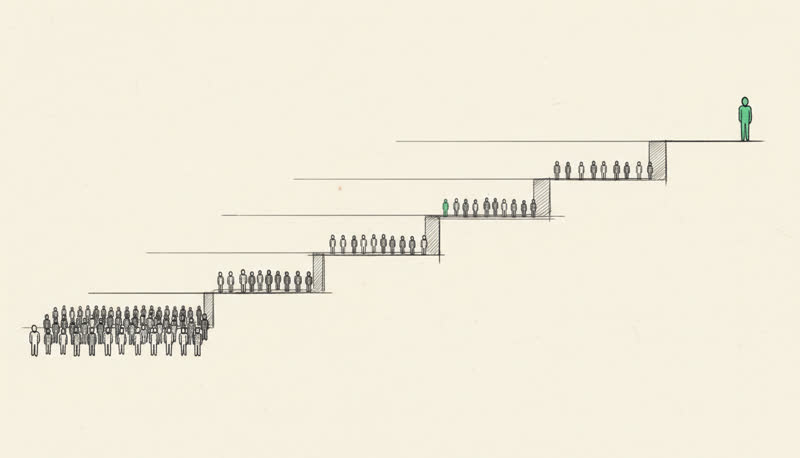
From $3 an hour of accepted chore footage to $100 an hour for a physician rating medical answers. Every number here is a published platform rate or a documented contributor report.
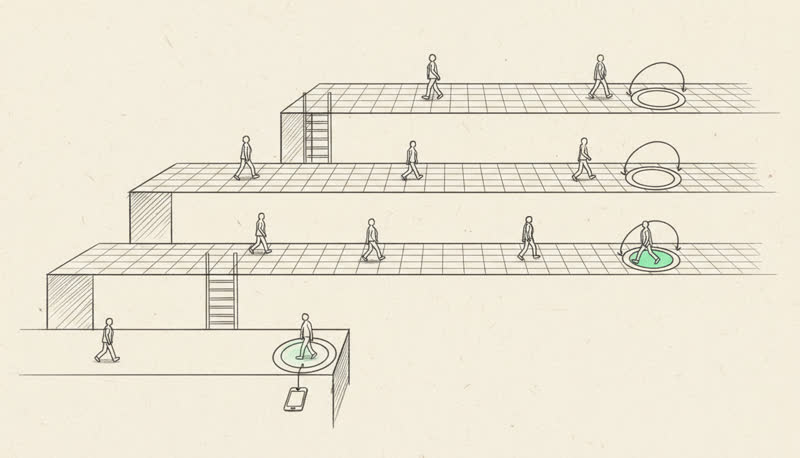
The three kinds of AI training work that actually exist, the pay bands each one carries, the platforms that hire, and the one kind you can do with no degree and a phone.
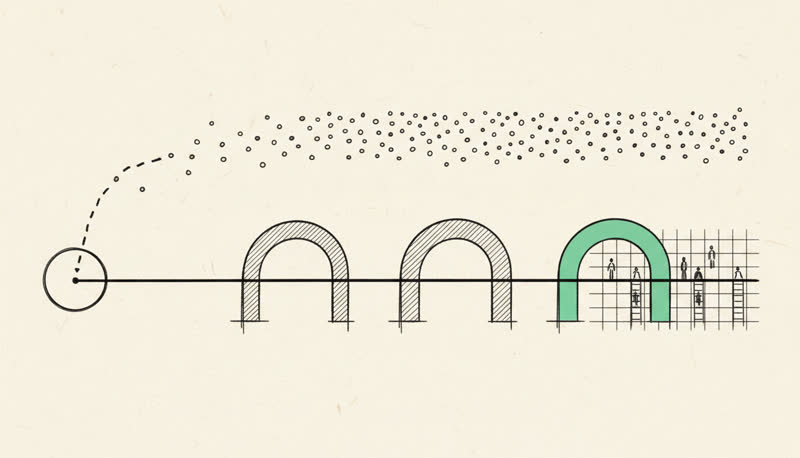
The crowd platforms of the last decade paid per task in a browser. The new physical-AI work pays per approved hour on a phone. How the two generations differ in pay, effort and who they suit.