 Recruit
AI Training Jobs in 2026: What They Are, What They Pay, and How to Get One
The three kinds of AI training work that actually exist, the pay bands each one carries, the platforms that hire, and the one kind you can do with no degree and a phone.
The three kinds of AI training work that actually exist, the pay bands each one carries, the platforms that hire, and the one kind you can do with no degree and a phone.
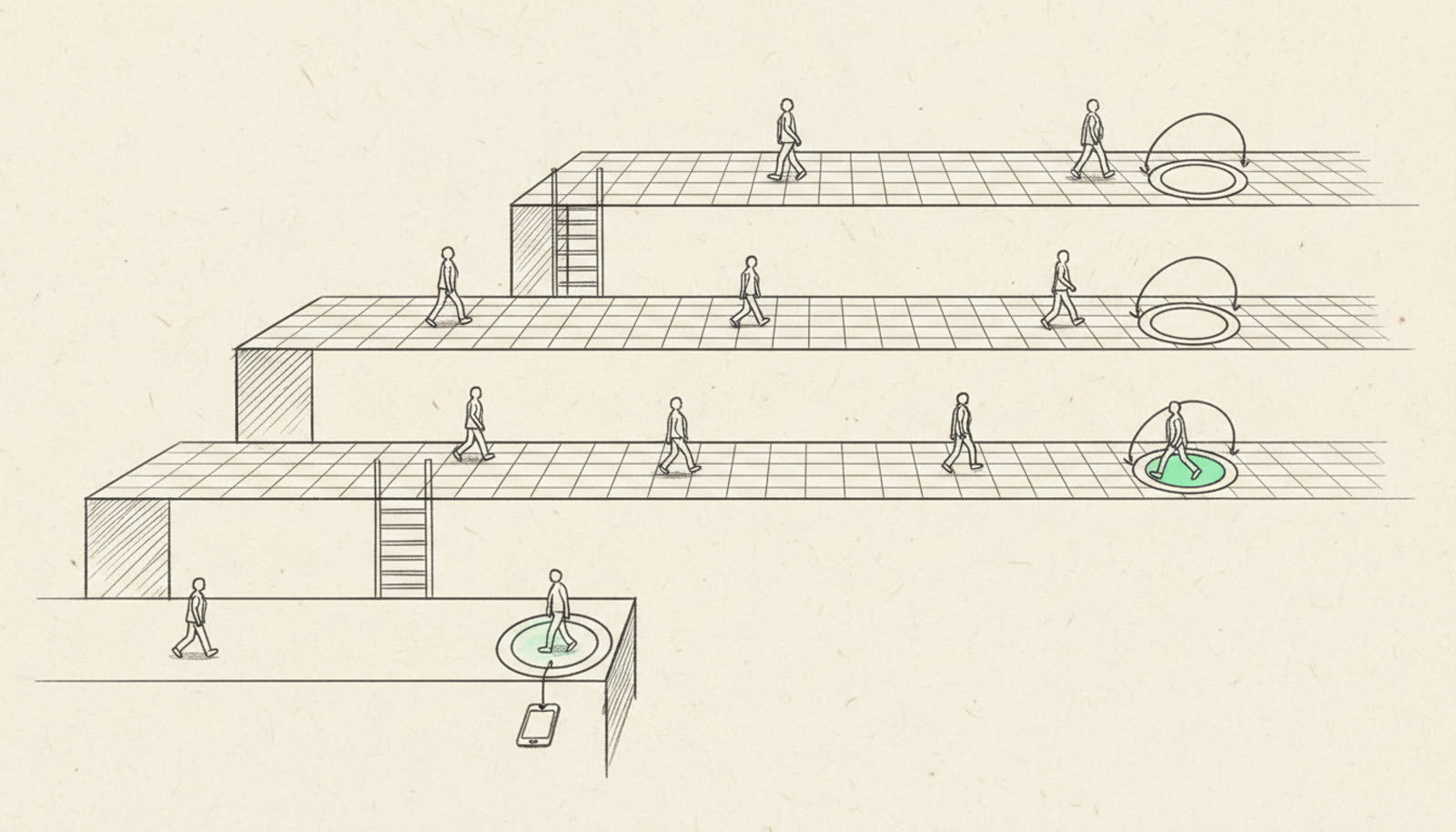
AI training jobs are paid, mostly freelance work where people supply the human judgment or behavior that AI models learn from: rating and writing responses, labeling raw data, and recording everyday physical tasks on video for robotics labs. Pay and entry bars differ sharply, and only the video work needs no degree.
Key numbers
Every large model, and every robot that is supposed to move through a kitchen or a warehouse, has to learn from something. For language models, that something is human ratings and human-written examples: was this answer helpful, is this response better than that one, write a correct answer to this prompt. For robotics and physical AI, the model needs to see how a real person actually does a task, from that person's own point of view, because there is no dataset of "how to fold laundry" sitting on the internet the way there is a dataset of text.
That gives you three job families, not one:
Only the third one is open to almost anyone with a phone. The first two usually gate on subject-matter background, a language pair, or a track record on the platform. That distinction matters more than any single pay number, because it decides whether you can start this week or whether you are competing for a narrow slot.
| Family | What the work is | Who hires it | Pay band (source) |
|---|---|---|---|
| Expert evaluation | Rating, ranking, and writing model responses; often requires a degree or professional background in the subject | AI labs building and fine-tuning language models | Mindrift: $15-$100+/hr, entry-level $15-30/hr. OpenTrain feed: $30-$100/hr |
| Labeling and annotation | Tagging, transcribing, classifying, bounding-box work at volume, usually task-based | AI labs and data vendors building training datasets | Platform-set task rates on Appen, Remotasks, DataAnnotation (rates vary by task and are shown per assignment) |
| Physical-task video recording | Filming everyday tasks from your own point of view on a phone or a shipped camera | Robotics and physical-AI labs sourcing human demonstration data | Recruitmint AI Trainers: $6-$15+/hr. Claru, OpenTrain: ~$6/hr of accepted footage. Atlas Capture: paid per clip (RemoWork's review found ~$0.10/minute base, a Tier 3 rate of $0.27/minute) |
Mindrift and OpenTrain's expert-evaluation feed sit at the top of the pay range because they are pulling from a narrower pool. Mindrift, built by Toloka, states that 70 percent of its roughly 20,000 AI Trainers hold a master's degree or PhD, and describes the work as having no employment contract and no fixed hours. That is the tradeoff: higher ceiling, harder to get in, and no guaranteed volume of work once you are in.
Labeling and annotation platforms like Appen, Remotasks and DataAnnotation sit in the middle. They do not typically require a graduate degree, but the work is task-based and piece-rate, so your effective hourly pay depends on how fast you clear tasks and how much volume the platform has for you at any given moment.
Physical-task video recording is the family this piece spends the most time on, because it is the one an average adult with a smartphone can actually start doing.
A language model can learn a lot from text that already exists on the internet. A robot cannot. There is no large public archive of "a person's hands, from their own point of view, folding laundry, loading a dishwasher, or repairing a faucet." That footage, called egocentric or first-person video, has to be recorded on purpose, by real people, doing real tasks, in real homes, garages, kitchens and jobsites.
That is why the qualification bar for this family is a device and a place to film, not a credential. Claru describes its network as more than 10,000 collectors across more than 100 cities capturing egocentric video, game environments, driving, cinematic work and manufacturing tasks, and states it has captured more than 500,000 egocentric videos for a world-modeling lab. Perle describes what it is buying in plain terms: "the way real hands move through real spaces." RemoWork's 2026 roundup names humanoid and robotics labs, citing 1X, Figure and Tesla as the category of buyer for this kind of footage, alongside AI labs building general-purpose "world models."
We run one of these programs ourselves, called AI Trainers. We contract with large AI and robotics labs (most projects are under NDA, so we do not name a lab here) and pay trainers $6 to $15+ an hour to record tasks they already do, on a recent phone (iPhone 12, Pixel 6, Galaxy S21 or newer) or on a camera we ship and take back. Listed task categories include cooking, cleaning, laundry, dishes, grocery shopping, driving, childcare, pet care, gardening, retail and cashier work, warehouse and packing, assembly and repair, trades, office work, cafe and restaurant work, commercial cleaning, and caregiving. The requirement list is short: 18 or older, able to work as an independent contractor where you live, a place you can legally film where everyone who might appear is comfortable being on camera, and reliable internet to upload a few gigabytes a week. Most trainers put in 5 to 20 hours a week.
That legal framing matters. Every platform in this space, ours included, engages people as independent contractors, meaning the payer controls the result of the work (the footage, following a brief) but not the hour-by-hour how of doing it (the IRS's definition of an independent contractor). You choose which projects to accept, there is no employment contract, and there are no guaranteed hours.
Getting matched into a project is a filtering process, not a job application in the traditional sense. Four things determine whether you get sent briefs at all.
Device. Video platforms specify a device floor because the footage has to be stable and legible: iPhone 12 or newer, Pixel 6 or newer, Galaxy S21 or newer, is the requirement repeated across several platforms' briefs, per RemoWork's roundup. Some platforms, including ours, will ship you a camera and mount for certain projects and take it back afterward, which lowers the device bar to zero.
Country and language. Some projects are open worldwide ("anywhere we can pay you" is how we put it in our own brief); others need a specific country or language because the lab is training for a specific market or dialect. This is decided per brief, not per platform, so being rejected from one project does not mean you are excluded from the next one.
Sample quality. Before you get sent real briefs, most platforms want to see that you can follow instructions on camera: steady framing, good lighting, the whole task visible, no idle time padding the clip out. We call this an "approved hour" - footage that follows the brief, where the task is real, the camera is steady and well lit, and you are told exactly what was accepted and why.
Availability and task fit. A real person reviews the profile and matches it against what labs currently need: what you do day to day, where you do it, and how many hours you can commit. When there is a fit, you get a brief with the task, the length, and the hourly rate, before you say yes.
Here is that matching flow as a diagram:
The video family's low bar to entry is also where the traps live. Watch for three patterns specifically.
Pay-to-join. Any platform asking for money to create a profile, buy a "starter kit," or task access is not a legitimate AI training platform. The whole business model runs on labs paying for footage, not on trainers paying for access.
No rate shown before the task. A brief that describes the task and the length but not the pay, and asks you to record first and find out the rate afterward, inverts the order that a paying platform uses. Our own process shows the rate in the brief before a trainer accepts; that sequence, rate before recording, is the baseline to hold every platform to.
Unpaid onboarding and audit suspensions near payout. RemoWork's July 2026 review of Atlas Capture documents both of these directly. It describes an unpaid onboarding trial, contributors spending 30 to 45 minutes producing a clip under two minutes long, and identifies audit-based account suspensions occurring near payout as the platform's biggest risk. The same review calculated Atlas Capture's base pay at roughly 10 cents a minute of footage, with a higher Tier 3 rate of 27 cents a minute observed, paid by Wise or crypto with a $20 minimum on the 7th and 21st of the month. One contributor dashboard the review examined showed $588 paid out over several months. None of that makes the platform illegitimate on its face, Atlas Capture states it has paid contributors more than $10 million total and reports more than 10,000 active contributors and more than 2 million episodes recorded, but it does mean the real effective hourly rate can land well under the platform's headline framing once you account for setup time per clip and the risk of a suspended payout. Read a fuller breakdown in the Atlas Capture review, and see the general pattern for spotting legitimate platforms in Are AI Training Jobs Legit?
Expert evaluation fits you if you already have a degree or professional background the labs are paying for, you can tolerate no guaranteed hours, and you want the highest per-hour ceiling in the market. It does not fit if you need predictable weekly income or lack the subject-matter background the platform screens for.
Labeling and annotation fits you if you want steady, low-friction task work and do not mind piece-rate pay that depends on your speed. It does not fit if you are trying to maximize hourly earnings, since the effective rate is set by how fast you clear each task type.
Physical-task video recording fits you if you have a recent smartphone or are willing to use a shipped camera, a place you can legally film, and a few hours a week to spare doing tasks you already do. It does not fit if you cannot get consent from everyone who might appear on camera, or if you need work with no equipment or logistics involved at all (labeling is closer to that).
| Question | If yes | If no |
|---|---|---|
| Do you have a graduate degree or professional expertise in a technical field? | Expert evaluation (Mindrift, OpenTrain) may be worth an application | Move to labeling or video work |
| Do you want steady, low-friction piece work with no equipment? | Annotation platforms (Appen, Remotasks, DataAnnotation) fit | Consider video recording |
| Do you have a phone from the last few years and a place to film comfortably? | Physical-task video recording is open to you now | You will likely need a shipped camera; check if a platform offers one |
| Does the platform show you the rate before you record? | Proceed | Treat it as a red flag |
| Does the platform ask you to pay anything to join? | Treat it as a red flag | Proceed |
If you have never done any of this and want the plain-language version of what the job actually involves day to day, What Is an AI Trainer? The Job, Plainly Explained and How to Become an AI Trainer With No Experience both walk through the setup steps in more detail than fits here. For the egocentric-video side specifically, What Is Egocentric Video, and Why Do AI Labs Pay for It? explains why labs cannot just scrape this footage from the internet. We list AI training among the areas we work in, alongside government contracting, product and technology, and growth and ecommerce hiring, on the industries page.
AI training work in 2026 is three different jobs wearing one label. Expert evaluation pays the most and gates hardest on credentials. Labeling and annotation is steady piece work with no degree requirement but a pay ceiling set by your speed. Physical-task video recording is the one that opens to anyone with a recent phone and a place to film, paying $6 to $15+ an hour through programs like our own AI Trainers, roughly $6 an hour of accepted footage on Claru and OpenTrain, and per-clip on Atlas Capture. Before you sign up anywhere, confirm the rate is shown before you record and that nobody is asking you to pay to get in.
Only the expert evaluation family typically requires one. Mindrift states that 70 percent of its AI Trainers hold a master's degree or PhD, and OpenTrain's evaluation feed lists roles priced at $30 to $100 an hour that assume domain background. Physical-task video recording, by contrast, lists no education requirement, only being 18 or older and able to work as an independent contractor where you live.
Yes, for the physical-task video family. Platforms and briefs commonly ask for an iPhone 12, Pixel 6, Galaxy S21 or newer, and some, including our own AI Trainers program, will ship you a camera and mount for certain projects and take it back after you finish. Expert evaluation and annotation work is typically done from a laptop or desktop, not a phone.
It depends entirely on which of the three families you are in. Expert evaluation runs $15 to $100+ an hour on Mindrift and $30 to $100 an hour on OpenTrain's listed feed. Physical-task video recording runs $6 to $15+ an hour through our own AI Trainers program, and roughly $6 an hour of accepted footage on Claru and OpenTrain's video work; Atlas Capture pays per clip rather than per hour, with RemoWork's review calculating a base rate around 10 cents a minute of footage. Annotation platforms set rates per task rather than a stated hourly band.
The category is real and multiple named platforms operate in it (Mindrift, OpenTrain, Atlas Capture, Claru, Appen, Remotasks, DataAnnotation among them), but the entry-level video segment is also where lower-quality and pay-to-join operations tend to appear. The reliable filter is simple: a legitimate platform never asks you to pay to join, and shows you the rate before you record, not after.
AI training work specifically produces material a model learns from, ratings, labels, or demonstration footage, rather than reviewing content after the fact or entering records into a system. The physical-task video family is the newest of the three, built specifically to give robotics and physical-AI labs footage of real human movement they cannot get any other way.
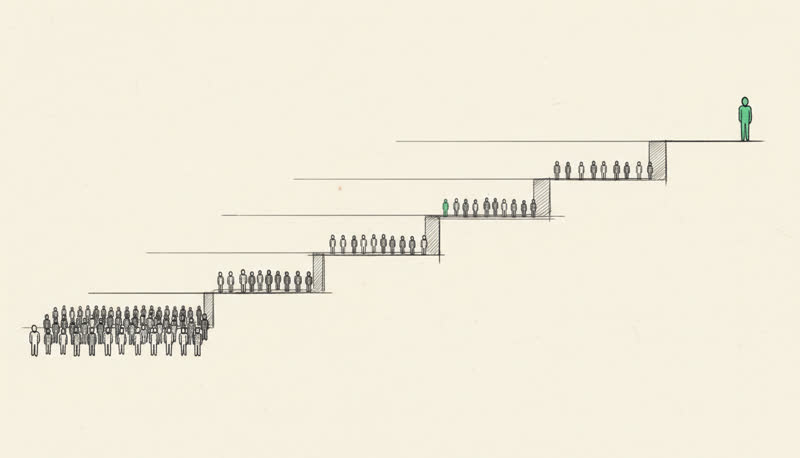
From $3 an hour of accepted chore footage to $100 an hour for a physician rating medical answers. Every number here is a published platform rate or a documented contributor report.
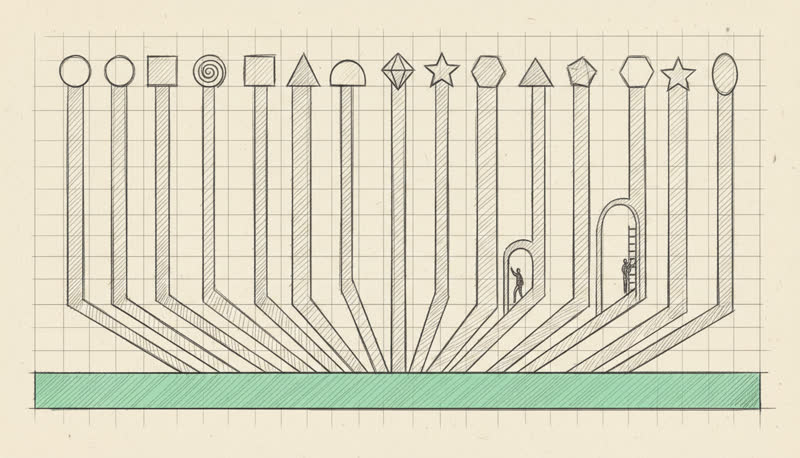
Twelve platforms, one table: what each one asks you to do, what it publishes about pay, how and when it pays, and who it is genuinely right for.
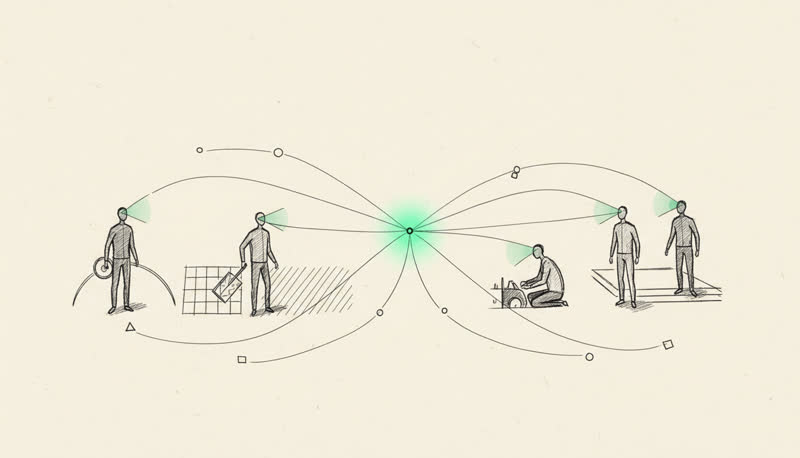
Robotics labs are buying millions of hours of first-person video of people cooking, cleaning, driving and working. This is how the work is briefed, filmed, approved and paid.