 Recruit
Best Platforms That Pay You to Train AI in 2026, Compared by Pay, Tasks and Payout
Twelve platforms, one table: what each one asks you to do, what it publishes about pay, how and when it pays, and who it is genuinely right for.
Twelve platforms, one table: what each one asks you to do, what it publishes about pay, how and when it pays, and who it is genuinely right for.
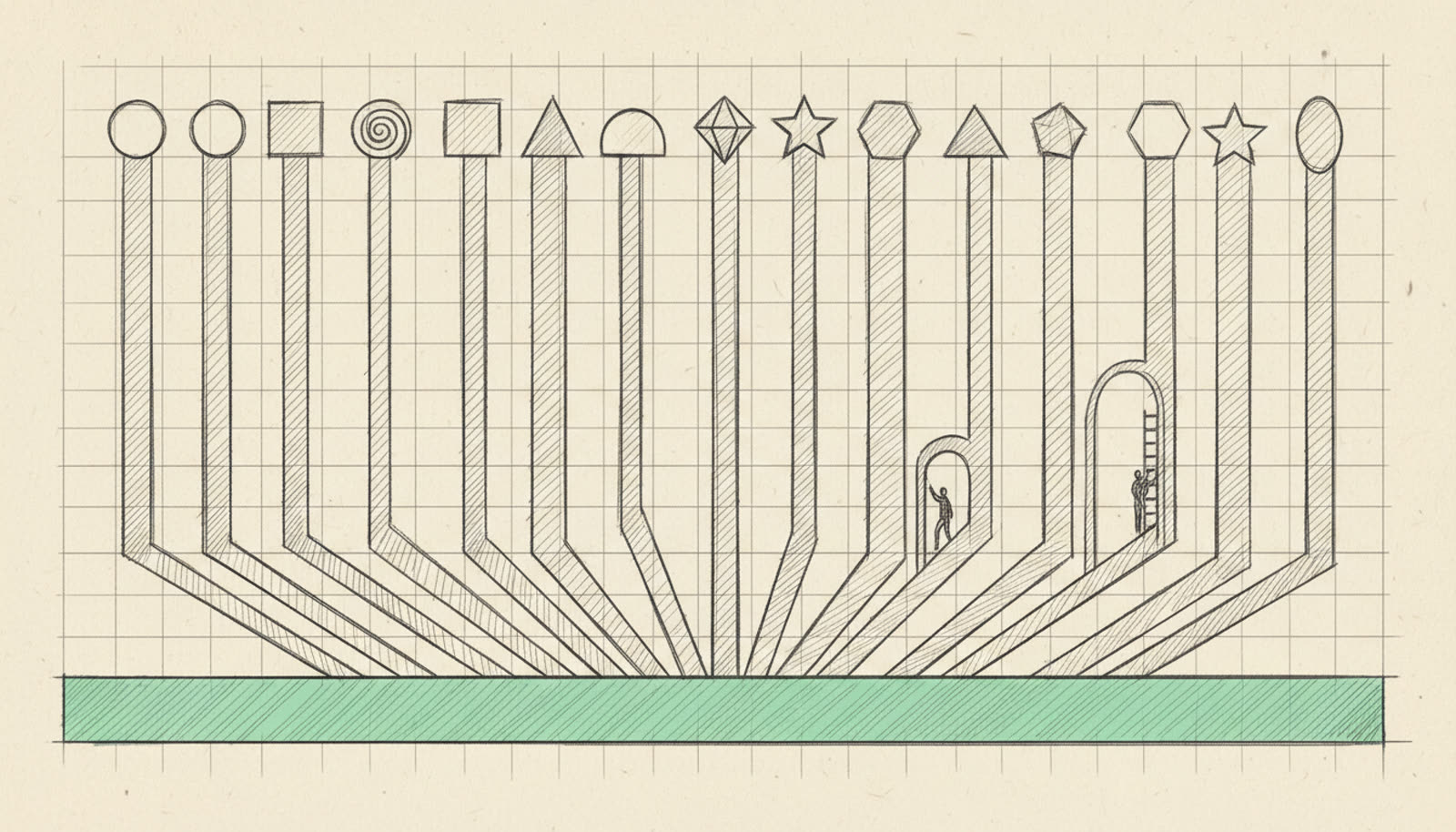
Twelve platforms pay people to help train AI. Expert platforms like Mindrift and Outlier pay $15 to $100+ an hour for specialist judgment. Browser platforms like Appen and Prolific pay per task or study, not by the hour. Phone-and-camera platforms, including Atlas Capture, Claru and our own AI Trainers program, pay $3 to $15+ an hour for everyday footage.
Key numbers
A platform made this list only if it clears three bars: a public sign-up anyone can start, a published statement about pay or a pay model (a rate, a rate band, or job listings priced by task), and some public evidence that people actually get paid, whether that is a paid-out figure the company states, task listings with rates attached, or a reviewed payout dashboard. Platforms that only promise "competitive compensation" with no rate, no listing and no payout evidence did not make the cut. Everything named below traces to the platform's own page or to a cited third-party review, not to memory.
The twelve entries split into three groups by what you bring to the sign-up form, not by how large or old the platform is.
These publish the highest ceilings on paper, but they gate entry behind a subject-matter background, a test, or both.
Mindrift (built by Toloka) advertises a pay band of $15 to $100+ an hour depending on project complexity and domain expertise, with entry-level work at $15 to $30 an hour. It reports 20,000 AI Trainers and says 70 percent hold a Masters or PhD. There is no employment contract and no fixed hours, which fits someone with a specialist background who wants occasional, project-based work rather than a schedule. Our Mindrift review covers who actually gets accepted.
OpenTrain AI runs a job feed that lists expert evaluation roles at $30 to $100 an hour, including listings such as "Multilingual AI Trainer, $30-50/hr," alongside an "Egocentric Video Data Collection Specialist" role. That range covers half the platform: RemoWork's 2026 roundup puts OpenTrain's egocentric video work in the same $3 to $9 per approved hour band as several other video platforms, which shows how far pay swings on one platform depending on whether the assignment is expert evaluation or physical-task recording. We break this split down in our OpenTrain review.
Braintrust is a talent marketplace: freelancers apply to AI training and evaluation gigs posted directly by client companies. Braintrust's own page frames itself around AI training jobs and getting paid to train AI, but it does not publish a single platform-wide hourly figure; pay is set gig by gig, so what a given assignment pays depends on the client posting it rather than on Braintrust itself.
Mercor matches vetted specialists to AI training and evaluation work across a range of domains, pricing most work per engagement. RemoWork's 2026 roundup places Mercor's first-person video tasks specifically in the $3 to $9 per approved hour range shared by several egocentric-video platforms, which matters if you land on Mercor expecting expert-tier pay for a video-recording assignment rather than a coding or writing one.
Outlier AI, run by Scale AI, is built around expert AI training work: coding, writing, math and other specialist evaluation tasks that require passing a qualification step before paid work becomes visible. Alternatives at a similar tier, and what to check before signing up, are covered in our Outlier AI alternatives guide.
No mount, no phone, no filming, just a laptop and a task queue. Pay here is attached per task or per study rather than published as one hourly figure, and the reason each one clears the inclusion bar is worth stating plainly rather than repeating a tagline.
Remotasks runs crowd-sourced labeling and annotation work from a browser: bounding boxes, transcription, data tagging. Its public sign-up is open to anyone, and pay is attached to individual task batches once you have qualified for a category, which is the visible evidence of payout the inclusion bar asks for; there is no single platform-wide hourly rate published.
RWS TrainAI community is RWS's part-time AI training community. Its own page describes remote, part-time AI training work with pay set per project rather than published as one number, which is the checkable claim it makes about itself and the reason it clears the pay-model bar.
Appen runs crowd data work: annotation, transcription, search relevance rating, image tagging, published as ongoing crowd projects. The listings themselves, priced per task once accepted, are the evidence of payout; Appen does not publish a single hourly band across the platform.
Prolific was built for paid online research and now also runs AI data collection studies. Payment is typically per study rather than per hour, and studies are matched to your demographic and eligibility profile rather than to a skill test, which is a different screening mechanism than the task-queue platforms around it.
DataAnnotation.tech has you rate and refine AI model responses from a browser: chat transcripts, writing samples, code. Pay is attached to the specific task type you are assigned rather than published as one hourly figure, and the task itself, not a credential check, is what determines whether you see paid work.
If you want a side-by-side on how these five differ from the phone-and-camera work in the next section, our post on Appen, Prolific and RWS TrainAI versus the new video recording work covers the split directly.
These pay you to record yourself doing ordinary tasks, cooking, cleaning, driving, working, from your own point of view. A recent phone (an iPhone 12, Pixel 6 or Galaxy S21 or newer, in most briefs) repeats across all three entries here.
Atlas Capture asks for an iPhone 11 or newer to record and any browser to label and review, with no experience needed. It publishes "$10M+ paid to contributors," "10,000+ active contributors," and "2M+ episodes recorded," plus per-clip task pay such as folding laundry standing ($4.20 for 4 to 6 minutes) or loading a dishwasher ($3.80 for 3 to 5 minutes). Payouts run biweekly through Wise or crypto with a $20 minimum. RemoWork's July 2026 review found the effective base rate works out to roughly 10 cents a minute of footage (with a Tier 3 rate near 27 cents a minute), an unpaid onboarding trial, contributors spending 30 to 45 minutes producing a clip under two minutes long, and audit-based account suspensions near payout as the biggest risk it flagged. Our Atlas Capture review walks through the mechanics in more detail.
Claru describes itself as building training data for physical AI, with 10,000+ collectors across 100+ cities and 500,000+ egocentric videos captured for a world-modeling lab. It covers a wider task range than most: egocentric video, game environments, driving, cinematic footage, manufacturing, cooking. RemoWork's 2026 roundup puts Claru's rate at about $6 an hour of accepted footage. A direct comparison against our own program is in Claru vs Recruitmint AI Trainers.
Our own AI Trainers program pays $6 to $15+ an hour, depending on the task, to record the things you already do on your own phone or on a camera we ship and take back. We show the rate in the brief before you accept anything, and we pay per approved hour of footage, not per clip. Sign-up is a five-step form, about five minutes; a real person reviews every profile, and when a project matches what you do and where you do it, we send a brief with the task, the length and the hourly rate before you say yes. Task categories run wide: cooking, cleaning, laundry, dishes, grocery shopping, driving, childcare, pet care, gardening, retail and cashier work, warehouse and packing, assembly and repair, trades, office and computer work, cafe and restaurant work, commercial cleaning, and caregiving. Faces are optional on most projects, footage is licensed to the lab for training and never posted publicly, and you can withdraw by email and have your profile deleted. Payout runs by bank transfer, Wise, Payoneer or PayPal once footage is approved. We contract with the largest AI and robotics labs in the world, and most projects sit under NDA, which is why no lab is named on the sign-up page. Details on what "approved" actually means for footage sit in our post on what counts as an approved hour of AI training footage.
| Platform | What you do | What it publishes about pay | Who it fits |
|---|---|---|---|
| Mindrift | Expert evaluation, domain-specific tasks | $15 to $100+/hr; entry-level $15-30/hr; no fixed hours | Specialists with a Masters, PhD, or deep domain background |
| OpenTrain AI | Expert evaluation and egocentric video collection | Expert roles $30-100/hr; video work reported near $3-9/hr | Experts for evaluation work; check the task type first |
| Braintrust | Freelance gigs posted by AI companies | Pay set per gig by the posting client; no platform-wide band published | Freelancers who already work marketplace-style |
| Mercor | Vetted specialist work across domains | Video work reported at $3-9/hr; other work quoted per engagement | Specialists; check whether the assignment is video or expert work |
| Remotasks | Crowd labeling and annotation from a browser | No platform-wide rate; paid per task batch | Generalists starting from zero credentials |
| RWS TrainAI | Part-time AI training work | Rate set per project, per RWS's own page | Generalists comfortable with recurring project work |
| Appen | Crowd annotation, transcription, search relevance | Ongoing project work, no single published rate | Generalists comfortable with recurring browser tasks |
| Prolific | Paid research studies, some AI data collection | Paid per study, not per hour | People who fit specific study demographics |
| DataAnnotation.tech | Rating and refining AI model responses | Paid per task type, no single rate published | Generalists who write and reason well in English |
| Outlier AI | Expert evaluation: coding, writing, math | Qualification-gated; rate tied to task category | Specialists who can pass a subject-matter test |
| Atlas Capture | Egocentric video of household tasks | Per-clip pay published (e.g. $3.80-$4.20 per clip); RemoWork estimates roughly 10c/min base | People with a phone and a routine, comfortable with an unpaid trial |
| Claru | Egocentric video across a wider task set | RemoWork estimates about $6/hr of accepted footage | People with a phone who can film varied environments |
| Recruitmint AI Trainers | Everyday tasks recorded on phone or shipped camera | $6 to $15+/hr, shown in the brief, paid per approved hour | People with a phone and a routine who want the rate confirmed before recording |
If you have a specialist credential and want the highest published ceiling, Mindrift, OpenTrain's expert roles, Outlier AI, Mercor and Braintrust are the group to check first, with pay quoted per project rather than a flat platform rate. If you have a browser and no niche skill to lean on, Remotasks, RWS TrainAI, Appen, Prolific and DataAnnotation.tech are built for exactly that, though none of them publish a single hourly number to compare against. If what you have is a phone and a routine, Atlas Capture, Claru and our own AI Trainers program are the closest comparison set: Atlas Capture publishes per-clip rates and biweekly payouts, Claru's rate has been estimated by a third party at around $6 an hour, and our program shows a $6 to $15+ hourly rate in the brief itself, before you record anything, with payout per approved hour once footage clears review.
Platforms like Mindrift, OpenTrain, Braintrust, Mercor and Outlier mostly pay for expert judgment: rating, evaluating or generating text, code, or reasoning. Platforms like Atlas Capture, Claru and our own AI Trainers program pay for physical, first-person footage of you doing a task, recorded on a phone or a camera the company sends. The tasks, the gear, and the pay mechanics are different enough that "AI training job" covers both, but a search for one type will not surface the other.
Our AI Trainers program shows the hourly rate in the project brief before you accept it, and pays per approved hour rather than per clip. Atlas Capture publishes per-clip pay for specific tasks rather than a guaranteed hourly figure, and RemoWork's review estimated the effective per-minute rate separately from that published number. Mindrift and OpenTrain publish rate bands tied to project complexity, not a single fixed number. None of the platforms reviewed here guarantee a fixed number of hours of work.
Mindrift, OpenTrain's expert roles, Outlier AI, Mercor's specialist work, and Braintrust's more technical listings tend to screen for a subject-matter background or a passed test. Remotasks, Appen, Prolific, DataAnnotation.tech, Atlas Capture, Claru and our AI Trainers program do not require a degree; they ask for a working setup (a browser or a recent phone), a place you can legally film if the work involves video, and enough time to follow the task brief properly.
Each platform defines this differently. We pay for an approved hour, meaning the footage follows the brief: the task is real, the camera is steady and well lit, the whole task is visible, and there is no idle time padding the clip. Atlas Capture and Claru run their own review processes before a clip or hour counts toward payout, and RemoWork's review of Atlas Capture flagged audit-based suspensions near payout as a risk worth understanding before you commit hours to a project.
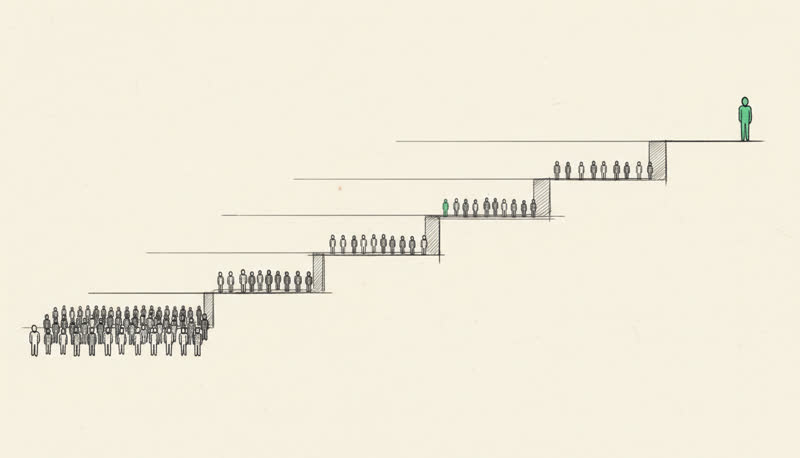
From $3 an hour of accepted chore footage to $100 an hour for a physician rating medical answers. Every number here is a published platform rate or a documented contributor report.
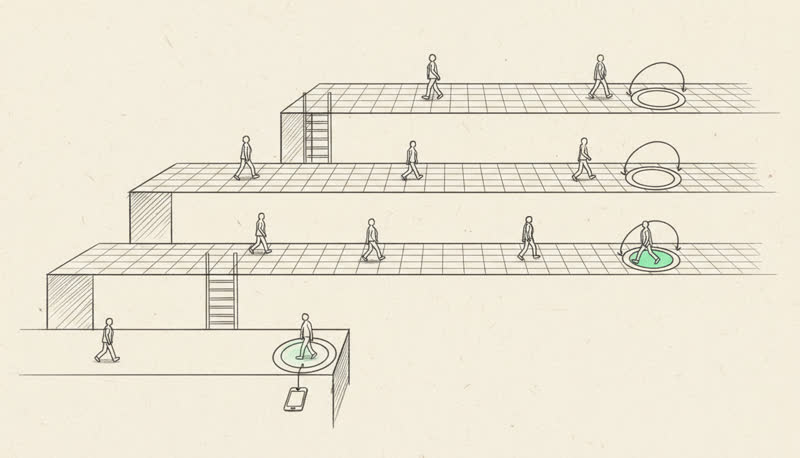
The three kinds of AI training work that actually exist, the pay bands each one carries, the platforms that hire, and the one kind you can do with no degree and a phone.
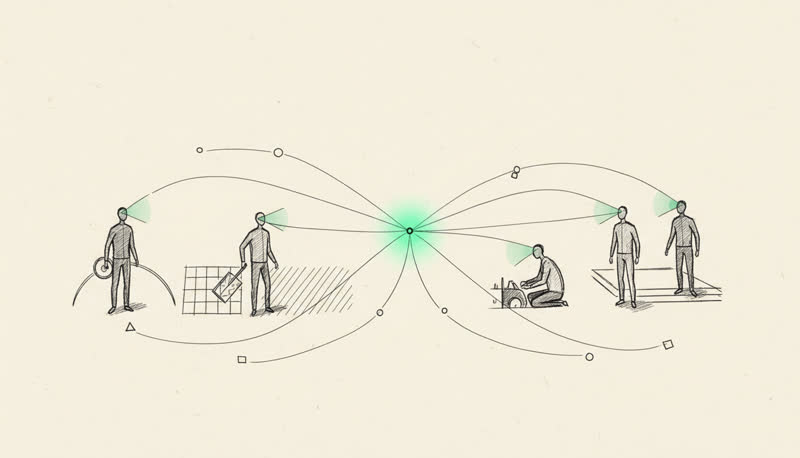
Robotics labs are buying millions of hours of first-person video of people cooking, cleaning, driving and working. This is how the work is briefed, filmed, approved and paid.