 Recruit
Human Demonstration Data for Robotics: How Labs Source Egocentric Video at Scale
Physical AI runs on footage of real people doing real tasks. The sourcing models labs use, what each costs in effort and risk, and what a managed workforce changes.
Physical AI runs on footage of real people doing real tasks. The sourcing models labs use, what each costs in effort and risk, and what a managed workforce changes.
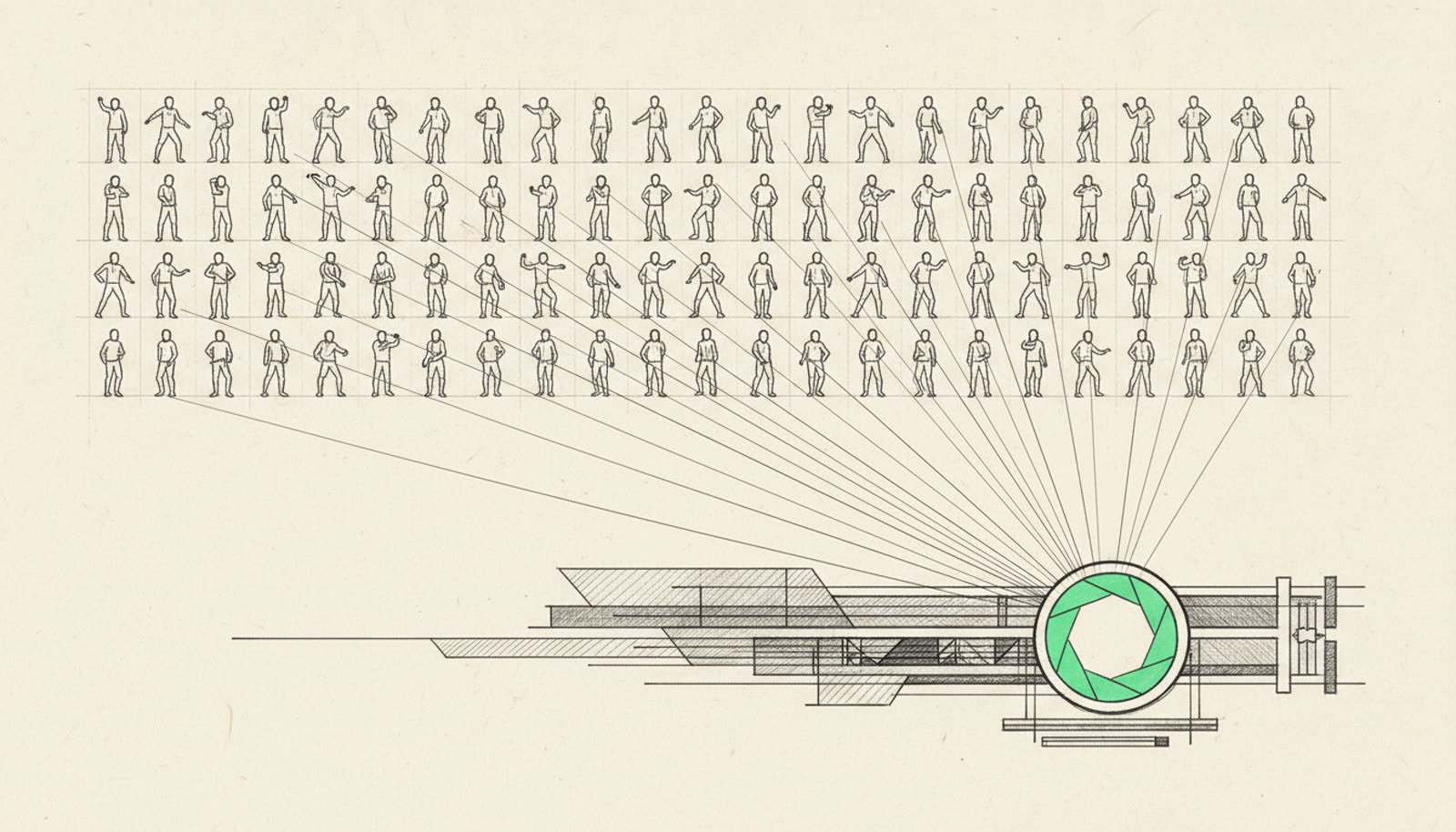
Human demonstration data is video of real people doing real physical tasks, recorded close enough to the body to show exactly how a hand reaches, grips, and adjusts. robomimic's research on offline learning found that demonstration quality and diversity matter as much as the algorithm, which is why labs now run sourcing operations to collect footage at scale.
Key numbers
A demonstration is a recorded instance of a task done the way a person actually does it: loading a dishwasher, folding laundry standing up, driving a familiar route, restocking a shelf. For robotics, the camera usually needs to sit where the robot's "eyes" effectively will, which is why most of this footage is egocentric (first-person), shot from a head mount, chest mount, or a camera clipped near where hands do the work.
This matters because robot policies trained on demonstrations only generalize as well as the demonstrations let them. robomimic's finding that demonstration quality and diversity strongly affect offline policy learning is the reason a lab cannot simply scrape internet video and call it training data: footage shot from the wrong vantage point, with hands out of frame, or recorded by the same person doing the same motion over and over, teaches a narrower and more brittle policy than footage collected deliberately across many bodies, kitchens, and ways of gripping a cup.
Some of that need is met by public benchmarks. Ego4D, released by Meta AI with a university consortium, is the best-known large public egocentric dataset, and it is commonly used to pretrain general egocentric perception before a lab fine-tunes on footage built around its own task list. But a public dataset was never built around any one lab's robot, its gripper, or its specific list of household and work tasks, which is where custom collection takes over.
Once a lab knows which tasks its policy needs to see, it has to decide how to get footage of those tasks, at volume, from people who actually do them, and it has four broad ways to do that: pull from a public dataset, open a crowd app to anyone with a phone, brief a collector network that has already built a vetted contributor pool, or hand the brief to a recruiter who builds and manages the workforce directly.
The four models are not a strict ladder. A lab often runs more than one at once, pulling general pretraining footage from a public dataset while briefing a collector network or a managed workforce for the specific task set its current policy needs.
| Model | What it is | Examples | What a buyer trades off |
|---|---|---|---|
| Public datasets | Pre-released egocentric footage, free to use for research | Ego4D | Broad and free, but not built around any one lab's task list or robot |
| Crowd apps | Open sign-up apps anyone can join, paid per clip | Atlas Capture (10,000+ contributors, 2M+ episodes, $10M+ paid out) | Fast to scale, but vetting and consent are largely self-reported |
| Collector networks | Vetted contributor pools a lab briefs directly | Claru (10,000+ collectors), Perle (49,000 experts, 70 countries), Micro1 (roughly 4,000 contributors, 71 countries) | Higher baseline screening than an open app, still a marketplace with variable per-brief depth |
| Managed recruited workforce | A recruiter recruits, vets, briefs, pays and ships hardware on the lab's behalf | Recruitmint AI Trainers | A person reviews every profile and sends the task, length and rate before acceptance; narrower scope per engagement than an open marketplace |
Dollar figures on the contributor side are public across most of these platforms and give a useful read on where the effort and vetting sit, even though what a lab itself pays for a given engagement is rarely published.
| Model | Pay structure | Reported rate | Source |
|---|---|---|---|
| Atlas Capture | Per-clip task pay, plus tiers | Base pay around $0.10 a minute of footage, with a Tier 3 rate seen near $0.27 a minute; sample tasks like folding laundry standing ($4.20, 4-6 min) or loading a dishwasher ($3.80, 3-5 min) | Atlas Capture; RemoWork, 2026 |
| Claru | Paid per accepted footage | Roughly $6 an hour of accepted footage | RemoWork, 2026 |
| Perle (Project Pretzel) | Hourly, with a head-strap gear budget | Roughly $9 an hour | RemoWork, 2026 |
| OpenTrain | Hourly for egocentric collection | Roughly $6 an hour for egocentric video collection; the platform's separate expert-evaluation listings range $30-100 an hour for unrelated work | RemoWork, 2026; OpenTrain |
| Our AI Trainers program | Per approved hour, task-dependent, rate shown before acceptance | $6 to $15+ an hour depending on the task | AI Trainers page |
A few things fall out of that table. First, egocentric demonstration recording and general AI evaluation work are priced very differently: Mindrift, for comparison, advertises $15 to $100+ an hour for domain-expert evaluation work done mostly by people with advanced degrees, which is a different labor market from recording a kitchen task. Second, RemoWork's 2026 roundup found effective rates across several first-person video platforms clustering in roughly the $3 to $9 per approved hour range, with wide variation by task and vetting depth. Third, pay structure tends to track vetting depth: per-clip crowd pricing with tiers suggests lighter per-contributor screening than a model where every profile is reviewed before a brief goes out.
Price tells only part of the story. A lab evaluating any of these four models should get clear answers on four points before footage starts coming in.
Brief adherence. Does the contributor see exactly what to record, how long the clip should run, and in what environment, before they start filming, or only find out after submission? A brief that specifies the task, the length, and the setting up front gives a lab a chance to catch mismatches before paying for footage it cannot use.
Approval standard. What actually counts as acceptable footage: is it stated in writing, or discovered through rejection after the fact? We define an approved hour as footage that follows the brief: the task is real, the camera is steady and well lit, the whole task is visible, and there is no idle time padding it out, and we tell trainers exactly what was accepted and why. That is the kind of standard worth asking any provider to put in writing.
Consent of people in frame. Everyone who appears in a clip needs to have agreed to it, and filming needs to be legal in the location it happens. This becomes more complicated with household and caregiving footage, where family members, children, or coworkers can end up on camera without having agreed to anything. RemoWork's 2026 review of Atlas Capture also flagged audit-based account suspensions near payout as the platform's biggest contributor risk, which is a signal worth asking any crowd-sourced provider about directly: how review and suspension actually work, and at what point in the payment cycle.
License terms. Is the footage licensed to the lab for training only, or could it end up reused or published elsewhere? A clear answer here protects both the lab's competitive position (most of this work sits under NDA) and the people being recorded. Our terms state that footage is licensed to the lab for training its models, not posted anywhere public, that faces are optional on most projects, and that a trainer can withdraw and have their profile deleted at any time.
Guides like our breakdown of what is egocentric video and why AI labs pay for it and the full explanation of what counts as an approved hour of training footage go deeper on both of these questions if a program is new to your team.
Public datasets fit early-stage research, general pretraining, and situations with no dedicated collection budget. They do not fit once a lab needs footage of a specific task, a specific environment, or a specific population the policy will actually operate around, because no public release was built for that.
Crowd apps fit broad, well-defined task categories where a lab wants high volume fast and can tolerate variable contributor quality in exchange for scale and a tiered per-clip price list. They fit less well when a lab needs guaranteed demographic or task specificity, or cannot absorb the churn and rejection rates that come with an open, self-serve pool.
Collector networks fit a lab that needs real scale with some baseline vetting across many cities or countries in a short window, and is comfortable working inside a marketplace relationship rather than a single-recruiter relationship. They fit less well when a task is narrow or specialist (a particular trade, a caregiving routine, a piece of equipment that few contributors own), because the depth of vetting applied to that narrow slice of the pool is harder to verify from outside.
A managed recruited workforce fits a lab that wants a human recruiter standing between the brief and the camera: profiles reviewed individually, tasks matched to people who actually do them day to day, consent and legal-filming status confirmed before anyone records, and in some cases a camera shipped and retrieved rather than relying on whatever phone a contributor already owns. It fits less well for a lab that simply needs a few hundred generic clips fast and has no particular interest in bespoke vetting per contributor.
Our comparison of egocentric video data providers across crowd apps, collector networks and managed workforces walks through this same trade-off in more detail, and the direct comparison between Claru and our AI Trainers program looks at one collector network against one managed workforce specifically.
| Criterion | What "strong" looks like | Evidence to ask for |
|---|---|---|
| Brief adherence | A written brief specifying task, length and environment, shared before recording starts | A sample brief or scope document |
| Approval standard | A stated, specific definition of what counts as an approved or accepted hour | Written approval/rejection criteria |
| Consent of people in frame | Confirmation that everyone who appears agreed to be recorded, in a location where filming is legal | A description of the consent process |
| License terms | A clear statement that footage is licensed for model training and not published publicly | License language from the contributor agreement |
| Vetting depth | A person reviews each contributor profile before matching, not just an automated filter | A description of the review process |
| Payment structure | Pay tied to approved or accepted footage, with the rate shown before the contributor records | A sample rate card or brief |
Our homepage Industries card for AI training describes the same shape in one line: a lab brief comes to us, and we recruit, vet and pay AI Trainers who record everyday tasks on a phone or a camera we ship, supplying human demonstration data to the largest AI and robotics labs in the world. The AI Trainers sign-up page shows the contributor side of that same process: sign up, get matched with a brief that states the task, the length and the hourly rate, then get paid per approved hour once footage clears review.
Human demonstration data is first-person footage of real tasks, and robotics policies need it in volume and in variety, a point robomimic's research on offline learning backs directly. Four sourcing models cover the market: public datasets like Ego4D for broad pretraining, crowd apps like Atlas Capture for fast open-sign-up scale, collector networks like Claru, Perle and Micro1 for vetted pools across many countries, and a managed recruited workforce like ours for brief-matched, person-reviewed, pay-per-approved-hour collection. Before choosing any of them, get a straight answer on brief adherence, the approval standard, consent of everyone in frame, and the license terms the footage is collected under.
Egocentric video is first-person footage, recorded from a head or chest mount so the camera sits roughly where the robot's eyes effectively will. Labs pay for it because robot manipulation policies need to see how a hand actually reaches, grips and adjusts during a real task, and robomimic's research found that the quality and diversity of the demonstrations used for training strongly affects how well a policy performs.
On the contributor side, reported rates cluster roughly between $3 and $9 per approved hour across several platforms, per RemoWork's 2026 review, with Atlas Capture's base pay closer to $0.10 a minute of footage and a Tier 3 rate near $0.27 a minute. Our AI Trainers program pays $6 to $15+ an hour depending on the task, with the rate shown before a trainer accepts a brief; what a lab itself pays to run a sourcing program is a separate figure that is not published here.
Ego4D is a strong foundation for general egocentric pretraining, but it was not built around any one lab's robot or task list. robomimic's finding that demonstration quality and diversity matter for offline policy learning is the reason most labs still run custom collection on top of public data, to get footage of the specific tasks and environments their policy actually needs to handle.
A crowd app like Atlas Capture is open sign-up: anyone can join, record against a published price list, and get paid on a schedule, with review happening through audits. A managed recruited workforce like ours has a person review every profile, match contributors to a specific brief with the task, length and rate shown up front, and in some cases ship and retrieve recording hardware directly.
RemoWork's 2026 roundup names humanoid and robotics labs, citing 1X, Figure and Tesla as buyers in this category. Beyond named buyers, the pattern across providers is consistent: physical AI and robotics teams need demonstration footage of real tasks to train manipulation and navigation policies, and most engagements run under NDA, which is why individual lab names rarely appear on either the provider or the recruiter side of these programs.
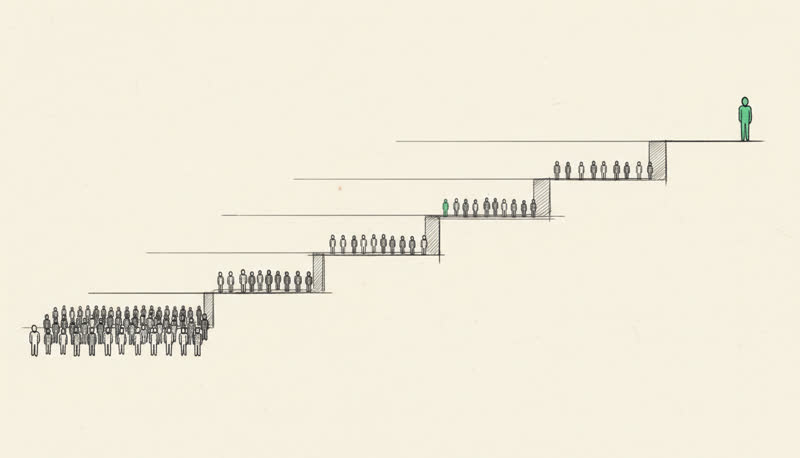
From $3 an hour of accepted chore footage to $100 an hour for a physician rating medical answers. Every number here is a published platform rate or a documented contributor report.
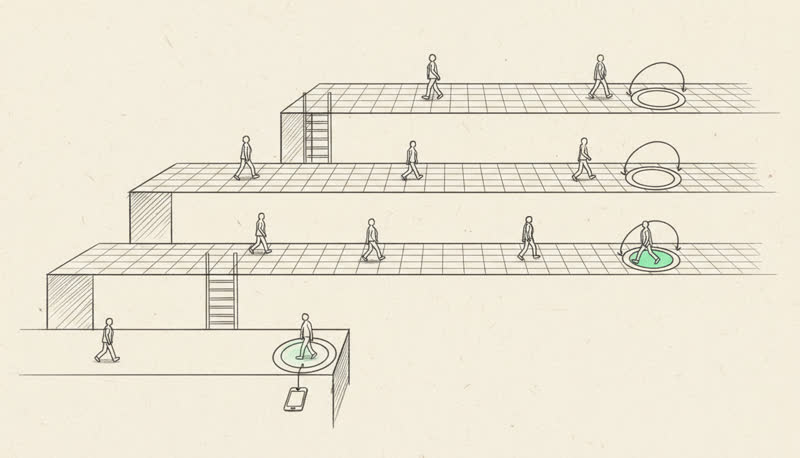
The three kinds of AI training work that actually exist, the pay bands each one carries, the platforms that hire, and the one kind you can do with no degree and a phone.
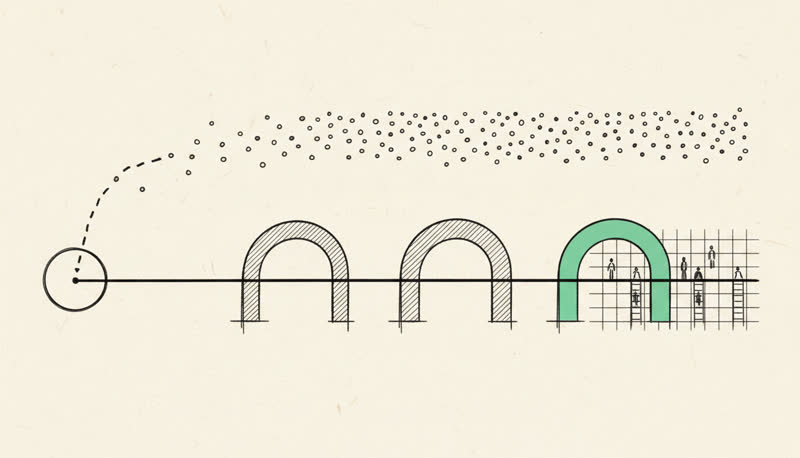
The crowd platforms of the last decade paid per task in a browser. The new physical-AI work pays per approved hour on a phone. How the two generations differ in pay, effort and who they suit.