 Recruit
What Is Egocentric Video, and Why Do AI Labs Pay for It?
Egocentric video is footage shot from a person's own point of view. Robots learn hand and object behavior from it, which is why labs now pay ordinary people to film their day.
Egocentric video is footage shot from a person's own point of view. Robots learn hand and object behavior from it, which is why labs now pay ordinary people to film their day.
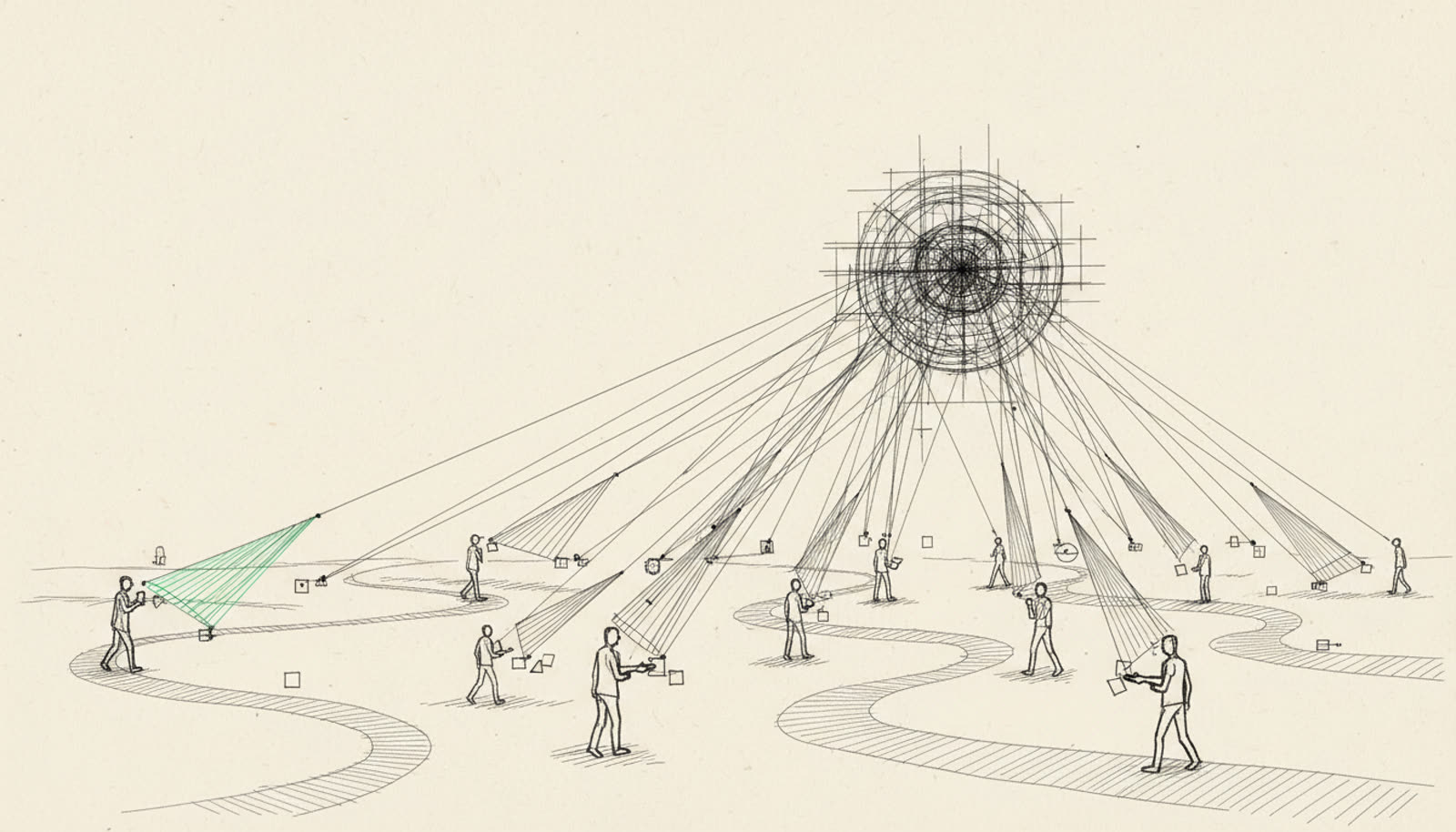
Egocentric video is footage recorded from a person's own point of view, typically with a head or chest mounted camera, showing hands, tools and objects the way the wearer actually sees them rather than from a fixed camera across the room. AI and robotics labs pay for it because it is the closest visual record of how a human body actually performs a task.
Key numbers
Third-person video shows a task from the outside. Egocentric video shows it from inside the task: the camera sits on the person's head or chest, so the frame moves with their gaze and their hands lead the action. A model trained on this footage sees grip, reach, hand-object contact and the sequence of small adjustments a person makes without thinking about them, folding a shirt, loading a dishwasher, tightening a bolt.
That distinction matters for anything that has to move a physical hand or a physical gripper. A robot arm does not need to know what a kitchen looks like from across the room. It needs to know how a hand approaches a pan handle, how the wrist rotates, how the grip changes when the pan is full versus empty.
Ego4D is the public reference point most people in this space cite. Released by Meta AI with a university consortium, it is a large, openly available egocentric dataset built specifically to give researchers a shared benchmark for first-person perception (ego4d-data.org). It did not create the idea of first-person video for machine learning, but it gave the field a common dataset to compare against, the way ImageNet did for image classification.
robomimic answers a different question: once you have demonstration footage, how much of it, and of what quality, actually improves a policy. The framework's core finding, published as "What Matters in Learning from Offline Human Demonstrations," is that the quality and diversity of demonstrations matters more than raw volume (robomimic.github.io). A large pile of sloppy, repetitive footage teaches a model less than a smaller set of clean, varied demonstrations of the same task done different ways, by different people, in different conditions.
That finding is the quiet reason labs care so much about how footage is captured, not just how much of it exists. It is also the reason task briefs specify exactly what an approved hour looks like, a point we cover in more detail in what counts as an approved hour of AI training footage.
Three uses come up consistently across the collector networks and labs describing this work publicly.
Manipulation. Teaching a robot arm or a humanoid hand to pick up, hold and place objects starts from watching a human hand do the same thing thousands of times, in enough variety that the model generalizes past any one kitchen or workbench.
World models. Some labs are not training a specific robot behavior at all. They are building models that predict what happens next in a physical scene, given what just happened, which needs footage of ordinary cause and effect: a cup tips, a drawer sticks, a dog moves.
Physical AI, the phrase Claru uses to describe its own work, is the broader category both of the above sit inside: AI systems meant to act in the physical world rather than just answer questions about it (claru.ai). Claru specifically covers egocentric video, driving, manufacturing and cooking footage under that framing.
None of this requires the person filming to know anything about machine learning. It requires them to do a real task, competently, on camera, the way they already do it.
Ego4D is public: anyone can study it, cite it, benchmark against it. That is exactly why it is useful as a shared reference and exactly why it is not what labs rely on for a live product roadmap. A dataset every competitor can also see does not produce an advantage, and it does not cover the specific task, environment or population a given model actually needs next.
Commissioned footage works differently. A lab defines a brief, a task, an environment, sometimes a demographic or a region, and pays for footage shot to that brief, licensed to the lab for training and never made public. That is the footage most of the paid collection work described online actually produces. RemoWork's 2026 review of platforms in this space lists effective per-hour rates across several collector networks in this category, ranging roughly $3 to $9 an hour depending on the platform and task, which is one way to read how commissioned footage gets priced against public benchmarks that cost nothing to license.
| Public dataset (e.g. Ego4D) | Commissioned footage under license | |
|---|---|---|
| Access | Open to any researcher | Licensed to the paying lab only |
| Task coverage | Fixed at release | Defined per brief, updated as needs change |
| Advantage to buyer | Shared benchmark, no exclusivity | Specific to the lab's own model |
| Where it shows up | Academic papers, leaderboards | Under NDA, rarely named publicly |
Two structures exist for someone who wants to get paid for this. Crowd apps and collector networks, like the ones RemoWork's roundup covers, typically pay per clip or per minute of footage, with rates that vary widely by platform and task. Managed programs like our own AI Trainers work differently: sign up through a short form, get matched to a brief for a task the person already does, and get paid per approved hour once the footage is reviewed against that brief. We contract with the largest AI and robotics labs in the world, and most projects run under NDA, which is why no lab is named on the signup page or here.
The tasks are ordinary: cooking, cleaning, laundry, dishes, grocery shopping, driving, childcare, pet care, gardening, retail and warehouse work, trades, office work, cafe work, caregiving. A recent phone with a simple mount is usually enough; for some projects we ship a camera and mount at no cost and take it back afterward. Faces are optional on most projects, and a trainer can withdraw at any time by email. We cover the broader landscape of this kind of work, including how the different collector models compare on device requirements and pay, in egocentric video data providers compared and our full guide to this category of work.
Egocentric video is first-person footage that shows how hands actually interact with objects and tools, which is exactly the signal manipulation, world-model and physical AI research needs and generic third-person video does not supply as directly. Ego4D built the public research benchmark; robomimic showed that demonstration quality matters more than sheer volume. Public datasets and commissioned, licensed footage serve different purposes, and our own AI Trainers program exists to supply the latter, at rates shown before anyone accepts a brief.
Yes. "First person video" and "egocentric video" describe the same thing, footage shot from the recorder's own point of view rather than from a fixed or third-person camera. The AI research field tends to use "egocentric," while general audiences searching for paid opportunities more often type "first person video."
Existing footage is rarely shot for the specific task, angle, or hand visibility a model needs, and licensing terms for scraped video are unclear at best. Commissioned footage is shot to a brief that specifies exactly what to record and how, which is closer to what robomimic's findings suggest matters most: demonstration quality and diversity, not just volume (robomimic.github.io).
Most programs accept a recent smartphone (iPhone 12, Pixel 6, Galaxy S21 or newer) with a simple head or chest mount. Some projects supply a camera and mount at no cost, which the recorder returns once the project ends.
Data labeling and chat-based work happen at a keyboard, evaluating or annotating existing content. Egocentric video work happens wherever the task itself happens, a kitchen, a garage, a store, and pays for the act of doing the task on camera rather than for judging someone else's output.
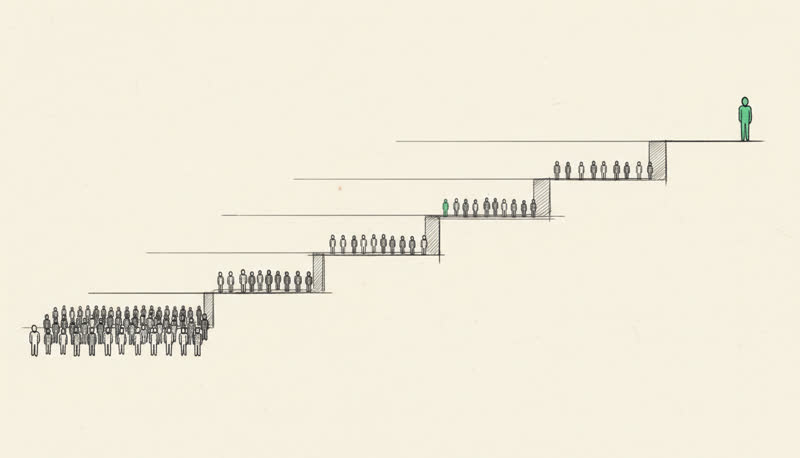
From $3 an hour of accepted chore footage to $100 an hour for a physician rating medical answers. Every number here is a published platform rate or a documented contributor report.
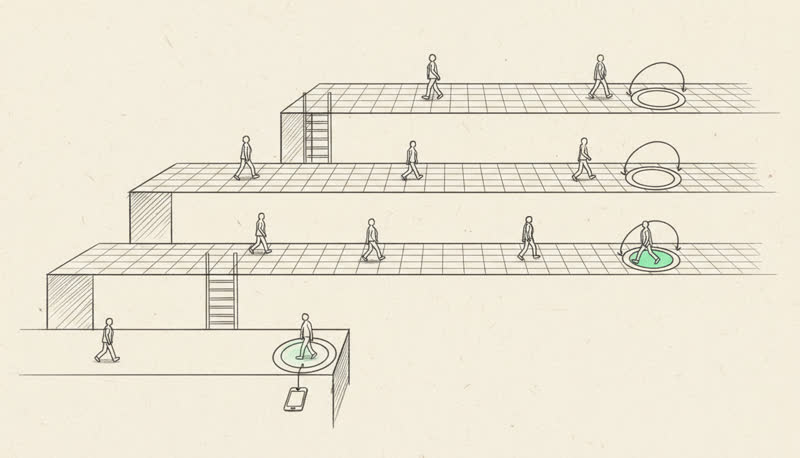
The three kinds of AI training work that actually exist, the pay bands each one carries, the platforms that hire, and the one kind you can do with no degree and a phone.
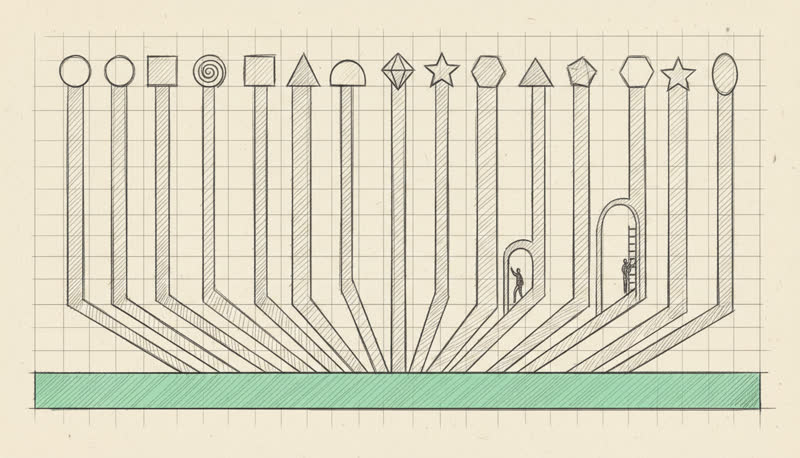
Twelve platforms, one table: what each one asks you to do, what it publishes about pay, how and when it pays, and who it is genuinely right for.