 Recruit
Remote AI Training Jobs You Can Do From Home (No Degree Required)
The AI training work that fits around a job, kids or study: what you need at home, how many hours a week is realistic, and which platforms are open worldwide.
The AI training work that fits around a job, kids or study: what you need at home, how many hours a week is realistic, and which platforms are open worldwide.
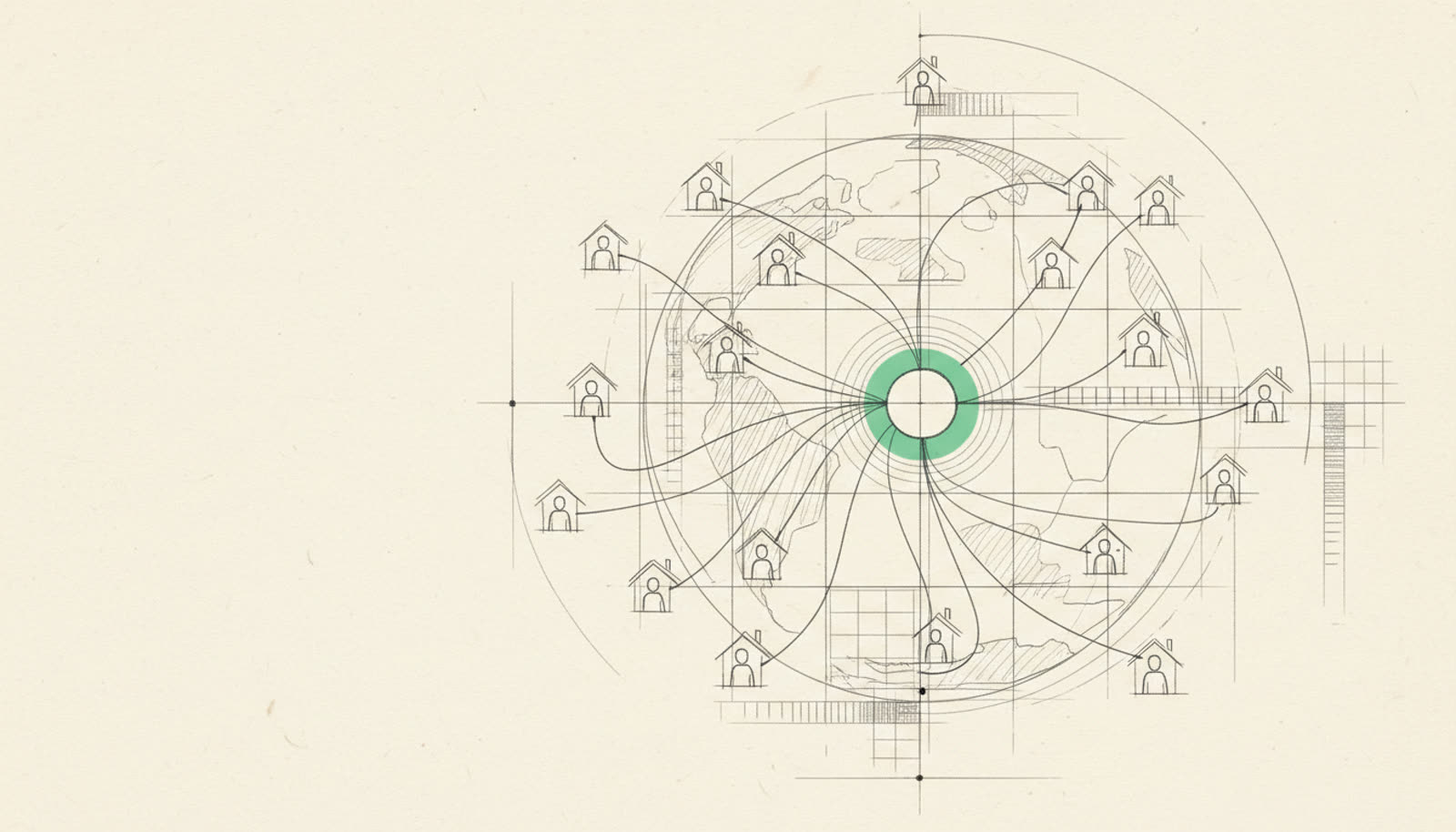
Two kinds of remote AI training work fit around a job, kids or study: rating and labeling tasks completed in a browser, and recording your own daily routine on a phone. The recording work pays $6 to $15+ an hour, with the rate shown before you accept a brief.
Rating and labeling happens entirely in a browser. You review outputs, score responses, or evaluate footage against a brief. OpenTrain's job feed lists this kind of work, including expert evaluation roles running $30 to $100 an hour, alongside more general labeling tasks. Mindrift (built by Toloka) sits at the higher end of this family too, advertising $15 to $100+ an hour depending on project complexity and domain expertise, with entry-level work in the $15 to $30 an hour range. These jobs suit anyone with a laptop and no filming space at all.
Recording your own routine is the second family, and it is the one built for people without a specialized background. Our AI Trainers program pays $6 to $15+ an hour for exactly this: cooking, cleaning, laundry, grocery shopping, driving, childcare, pet care, gardening, retail work, warehouse or packing tasks, assembly and repair, trades, office work, cafe or restaurant shifts, commercial cleaning, or caregiving, captured from your own point of view on a phone or a camera we ship and take back. The footage teaches machines how people actually get things done, and no acting or studio setup is involved. See what egocentric video is and why labs pay for it for the fuller picture of how this data gets used.
Both families are open to people with no degree. Neither asks for a portfolio or prior AI experience. What they ask for instead is a working setup and a realistic amount of time.
| Item | What is required | Why it matters |
|---|---|---|
| Device | A recent phone (iPhone 12, Pixel 6, Galaxy S21 or newer), or willingness to use a camera shipped to you | For some projects we send a camera and mount free; you send it back after |
| Upload bandwidth | Reliable internet to upload a few gigabytes a week | Footage needs to reach the lab intact; a slow connection stalls approval |
| Filming space | A place you can legally film, indoors or outdoors, where everyone who might appear is comfortable being recorded | Consent isn't optional. If someone else appears in frame, they need to be fine with it before you start |
| Time | A few hours a week, most trainers do 5 to 20 | This is not a full-time replacement; it is scheduled around whatever else you are doing |
A simple head or chest mount is enough gear for most tasks. Our guide to setting up a phone head mount or chest mount walks through the mechanics if this is your first time filming from your own point of view.
Faces are optional on most projects. If you would rather stay out of frame, you can say so before you record, and footage is licensed to the lab for training, not posted anywhere public.
Most of our AI Trainers work 5 to 20 hours a week, though some do more. Mindrift takes a different structure entirely: it advertises no fixed hours and no employment contract, which fits work that is intermittent by design rather than scheduled.
The honest way to think about this is a part-time arrangement, not a job replacement. You are paid per approved hour of footage, and the brief tells you the task, the length and the hourly rate before you accept, so you know what a session is worth before you film it. Our companion piece on part-time AI training jobs breaks down how that scheduling works across a week.
Pay for household and routine tasks tends to sit at the lower end of a platform's stated band; skilled, specialist or equipment-heavy tasks sit higher. RemoWork's 2026 platform roundup put effective rates for first-person video work across several providers (Atlas Capture, Perle, Claru, OpenTrain, DataVale and Micro1) in a rough range of $3 to $9 an hour of approved footage, with device requirements of an iPhone 12 or newer, a Pixel 6 or newer, or a Galaxy S21 or newer showing up across most of them.
The recording family is open worldwide, with country and language filters applied per project rather than a blanket restriction. We describe it as working "anywhere we can pay you," while some projects need a specific country or language to match what a lab is training for. Perle and Claru describe similarly broad reach, citing vetted contributors across dozens of countries and cities in RemoWork's 2026 roundup.
Age and legal status matter more than location. You need to be 18 or older, able to work as an independent contractor where you live, and able to legally film in your own space. The IRS defines an independent contractor as someone the payer can direct only in the result of the work, not the means and methods, which is the same structure that applies here: you choose which projects to accept, and the review happens against what you actually deliver.
Payout runs through the same handful of rails across this space: bank transfer, Wise, Payoneer or PayPal once a project's footage is approved, on the schedule stated in the brief. RemoWork's July 2026 review of Atlas Capture found payment by Wise or crypto on a biweekly schedule (the 7th and 21st) with a $20 minimum, and an unpaid onboarding trial before paid work begins, a detail worth checking on any platform before you commit real hours.
"Approved" is doing real work in that sentence. Footage that follows the brief, with the task real, the camera steady and well lit, the whole task visible and no idle time padding it out, gets paid; footage that misses the brief does not. Our explainer on what counts as an approved hour of footage covers what reviewers are actually checking for.
Home-friendly AI training work splits into two families: browser-based rating and labeling, and phone-recorded footage of everyday tasks. The second pays $6 to $15+ an hour through the Recruitmint AI Trainers program, needs a recent smartphone or a shipped camera, a legal and consensual filming space, and enough bandwidth for a few gigabytes a week, and most trainers put in 5 to 20 hours weekly around whatever else fills their schedule. If you want the full mechanics of applying, our guide to becoming an AI trainer with no experience walks through the sign-up steps.
No. Recording tasks from your own point of view requires a recent smartphone, a legal filming space and consent from anyone who might appear, not a credential. Rating and labeling roles vary more, with some expert evaluation work paying more for domain background, but the entry tier on platforms like OpenTrain and Mindrift does not require a degree.
Most trainers put in 5 to 20 hours a week, chosen project by project rather than scheduled shifts. Mindrift advertises no fixed hours at all. Treat this as flexible, part-time income around an existing job, not a full-time replacement.
Yes. This kind of work is open worldwide, "anywhere we can pay you," though individual projects sometimes need a specific country or language. Payout runs through bank transfer, Wise, Payoneer or PayPal, all of which work across most countries.
It is licensed to the lab for training their models and is not posted anywhere public. Faces are optional on most projects, and you can withdraw your profile at any time by emailing the team, after which your profile is deleted.
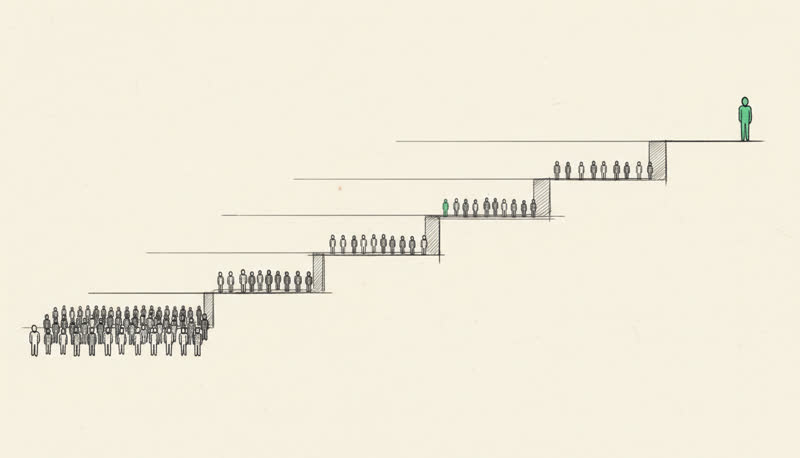
From $3 an hour of accepted chore footage to $100 an hour for a physician rating medical answers. Every number here is a published platform rate or a documented contributor report.
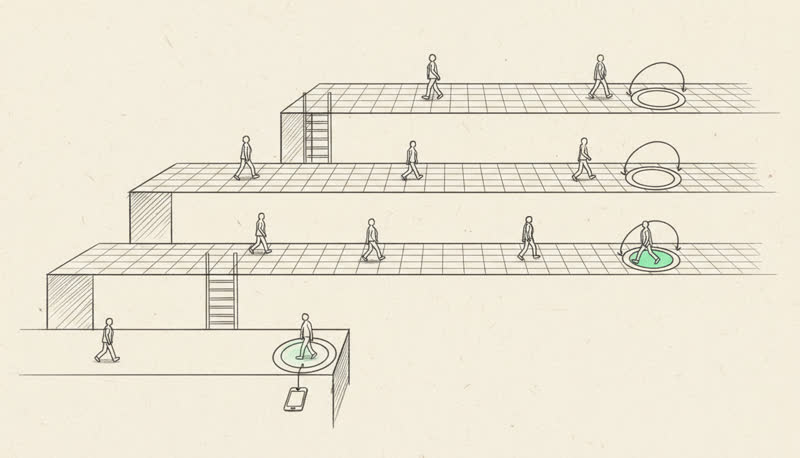
The three kinds of AI training work that actually exist, the pay bands each one carries, the platforms that hire, and the one kind you can do with no degree and a phone.
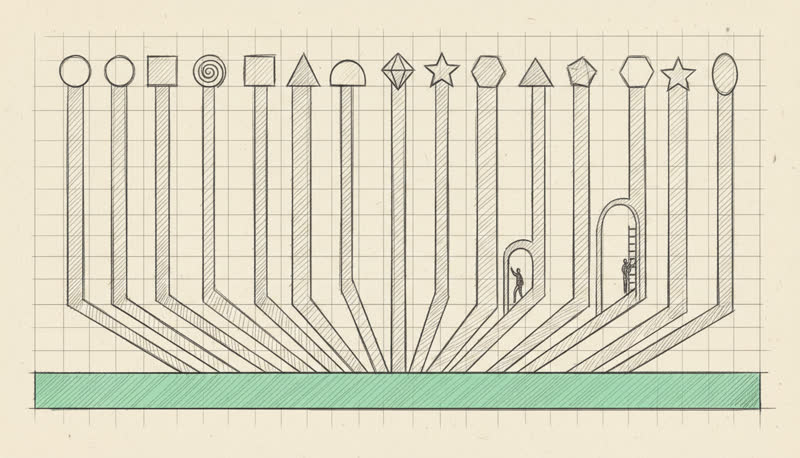
Twelve platforms, one table: what each one asks you to do, what it publishes about pay, how and when it pays, and who it is genuinely right for.